The Observatory Dental

Tooth Extractions

Repair is always a first option.

At The Observatory, we’ll always do everything we can to save your natural teeth with the most appropriate treatment.

But sometimes, removing a tooth is the healthiest option for your long-term comfort and well-being. When that’s the case, you can rest assured that you’ll be in expert hands throughout.

banner shape1
  • Est 1950
  • |
  • Open till 8pm
down casual day plain arrow down dull plain arrow

Why might I need an extraction?

In some situations, a tooth can’t be repaired with a filling, crown, or other restorative treatment. An extraction may be recommended if:

  • A tooth is too badly damaged or decayed.
  • Gum disease has weakened the supporting bone and tissues.
  • Wisdom teeth are painful, infected, or don’t have enough room to grow.
  • Extra teeth are preventing others from coming through normally.
  • Space is required for orthodontic treatment.
  • A medical condition requires the removal of an unhealthy tooth.

What does the procedure involve?

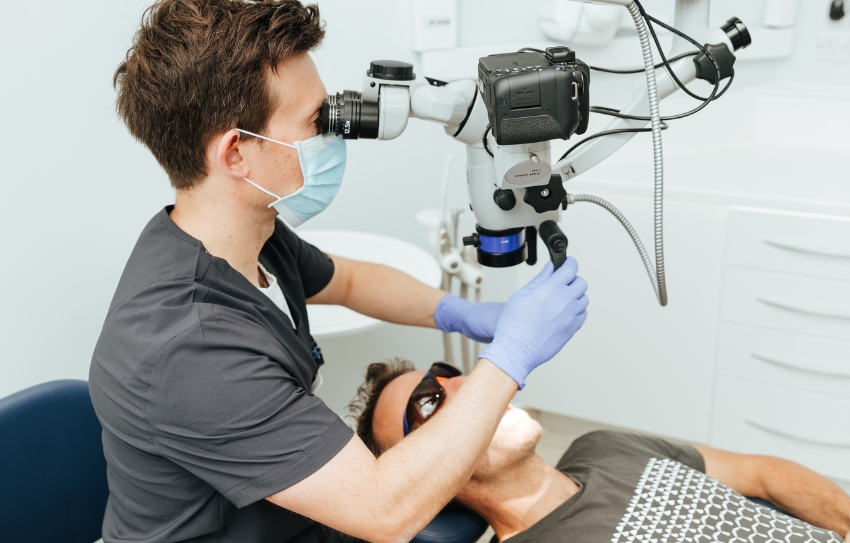
Your dentist will talk you through each step so you know exactly what to expect.

  • Simple extractions: If the tooth is visible above the gum, we’ll numb the area with local anaesthetic and gently remove it from the socket.
  • Complex extractions: If the tooth has broken at or below the gum line or is more difficult to access, a small section of gum may need to be lifted to reach and remove it. Sometimes an X-ray is needed beforehand to plan the procedure.

In certain cases, stitches may be placed around the site, and almost immediately, a protective clot will begin to form naturally in the socket.

Recovery and aftercare

Most patients find that simple extractions cause only minimal discomfort afterwards. Some swelling or light bleeding is normal in the first day or two. To support healing:

  • Use an ice pack initially to ease swelling, then switch to a warm compress if soreness lingers.
  • Take any pain relief or antibiotics your dentist prescribes.
  • Avoid smoking or vigorous rinsing in the first 24 hours, as this can disturb the protective clot.
  • After the first day, gently rinse with warm salty water to keep the area clean.
  • Stick to softer foods for the first few days, moving back to your usual diet as you feel comfortable.
  • Any stitches will either dissolve or be removed by your dentist after a few days. In most cases, initial healing takes around two weeks.

You’ll also receive written post-operative instructions to take home – so you don’t need to worry about remembering everything at once.

And of course, if you need any extra advice or reassurance at any stage, our team is always here to help.

BOOK THIS TREATMENT Back to General Dentistry

Contact

Get in touch

Start Your Journey

Ready for your new smile? Request an appointment.

Book Online

Social Media

Join the conversation

Follow us on social media for the latest updates, behind-the-scenes moments, and more.

 The Observatory Dental Practice
 The Observatory Dental Practice
 The Observatory Dental Practice
 The Observatory Dental Practice
 The Observatory Dental Practice
 The Observatory Dental Practice
The Observatory Dental
Google Rating
5.0
Google Rating
Google-review